
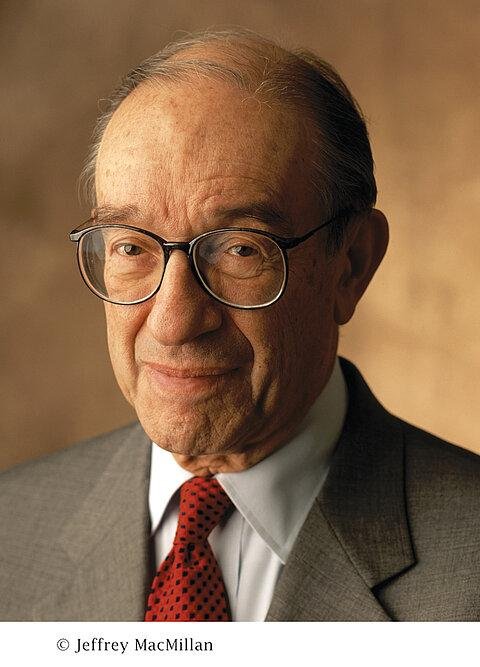
Former Federal Reserve chairman Alan Greenspan dies at 100
WASHINGTON, June 23, 2026 — Alan Greenspan, the influential economist who led the U.S. Federal Reserve through nearly two decades of economic expansion, market turbulence and financial transformation, has died at the age of 100.
<p>Greenspan died on June 22 from complications related to Parkinson's disease, according to statements from his family. His death marks the end of a chapter in modern economic history shaped in large part by his stewardship of the world's most influential central bank.</p><p>Appointed by President Ronald Reagan in 1987, Greenspan served as chairman of the Federal Reserve until 2006, spanning the administrations of four U.S. presidents. During his tenure, he guided monetary policy through some of the most consequential events of the late 20th and early 21st centuries, including the 1987 stock market crash, the Asian financial crisis, the dot-com boom and bust, and the economic aftermath of the September 11 attacks.</p><p>Known for his cautious and often cryptic communication style—popularly dubbed "Greenspeak"—he became one of the most closely watched policymakers in the world. His influence on financial markets was so significant that investors frequently scrutinized his public remarks for clues about future interest-rate decisions.</p><p>Supporters credited Greenspan with helping sustain a prolonged period of economic growth, low inflation and rising prosperity during the 1990s. He earned the nickname "The Maestro" for what many viewed as his skillful management of the U.S. economy during a period of rapid technological change and globalization.</p><p>Yet his legacy remains deeply contested. Following the 2008 global financial crisis, which erupted less than two years after he left office, critics argued that his support for financial deregulation and his faith in market self-correction contributed to conditions that enabled excessive risk-taking within the banking system. Greenspan later acknowledged that he had underestimated the extent to which financial institutions would fail to protect themselves and their shareholders from systemic risks.</p><p>Born in New York City in 1926, Greenspan initially pursued music before turning to economics. He built a successful career as an economic consultant and policy adviser before entering government service. Prior to leading the Federal Reserve, he chaired the Council of Economic Advisers under President Gerald Ford.</p><p>Even after retiring from the Fed, Greenspan remained an active commentator on economic and financial affairs, publishing books, advising businesses and participating in public debates about fiscal policy, globalization and the future of central banking.</p><p>Tributes from policymakers, economists and business leaders began pouring in following news of his death, reflecting both admiration for his impact on global finance and continuing debate over his long-term legacy.</p><p>Alan Greenspan leaves behind a record that helped define an era of American economic policymaking. Whether remembered as a master steward of growth or a symbol of the limits of market self-regulation, his influence on modern central banking is unlikely to be forgotten.</p><p>Photo credit: campus</p>
Date
Featured
Verified
Community Engagement
Community
⚔️
📝
👁
🎯
📊
✏️
Comments ()
Sign in to join the conversation
Sign InNo comments yet. Be the first to share your thoughts!
Comments will be loaded here...