
Chinese Language Proposed as Optional Subject in Revised Basic School Curriculum
Kindergarten and primary school pupils in Ghana could soon have the opportunity to study the Chinese language under the country's revised basic education curriculum, following the submission of a new curriculum framework to the Ministry of Education.
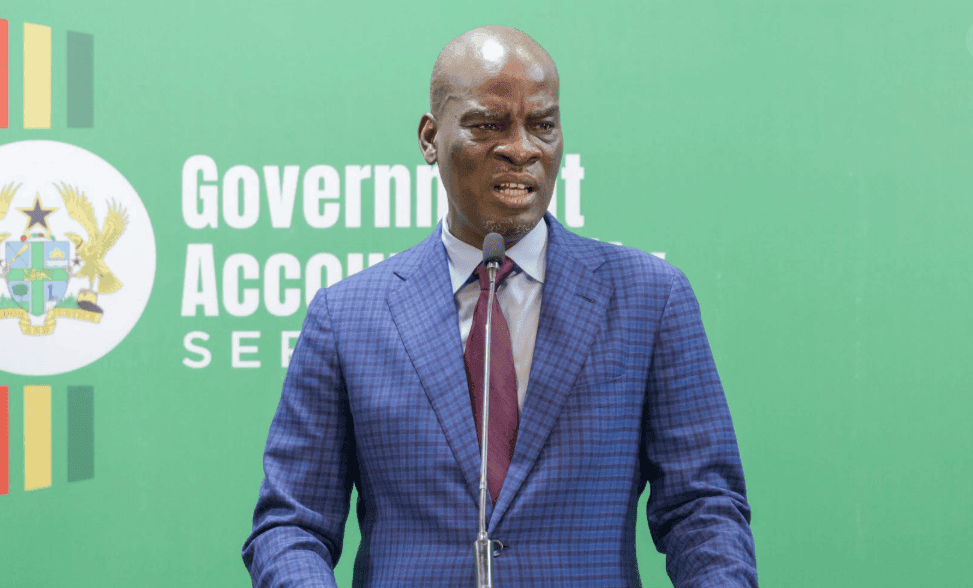
<h1><br><br></h1><p>The revised curriculum, presented by the Curriculum Review Committee to Education Minister Haruna Iddrisu, introduces several new learning areas aimed at equipping pupils with skills for the modern world. These include artificial intelligence (AI) literacy, coding, computational thinking, digital citizenship and civic education.</p><p>Contrary to claims circulating on social media, however, Chinese will not become a compulsory subject for all kindergarten pupils. Instead, education authorities have proposed that it be offered as an optional foreign language in selected schools with the required teaching capacity and resources.</p><p>Officials say the introduction of Chinese reflects Ghana's growing economic and trade relations with China and is intended to broaden language learning opportunities for pupils. Arabic and French have also been included as optional foreign language offerings.</p><p>At the same time, the revised curriculum makes Ghanaian languages compulsory from Kindergarten to Primary Three to strengthen literacy and preserve the country's linguistic and cultural heritage.</p><p>The curriculum also places greater emphasis on digital skills, environmental awareness, agriculture, creativity and responsible citizenship, reflecting the government's efforts to align education with emerging global trends and the demands of the 21st-century economy.</p><p>The proposed curriculum is expected to undergo the necessary approval and implementation processes before being rolled out nationwide. The Ministry of Education and the National Council for Curriculum and Assessment (NaCCA) say teacher preparation, learning materials and infrastructure will be key considerations before the new subjects are introduced in classrooms.</p><p>Education stakeholders have largely welcomed the reforms, describing them as a significant step towards modernising Ghana's basic education system while ensuring pupils remain grounded in their local languages and culture.</p><p>The Ministry has urged the public to rely on official information regarding the revised curriculum, stressing that not every proposed subject will be compulsory across all schools.</p><p>Photo credit: Hon. Haruna Iddrisu</p>
Date
Featured
Verified
Community Engagement
Community
⚔️
📝
👁
🎯
📊
✏️
Comments ()
Sign in to join the conversation
Sign InNo comments yet. Be the first to share your thoughts!
Comments will be loaded here...