
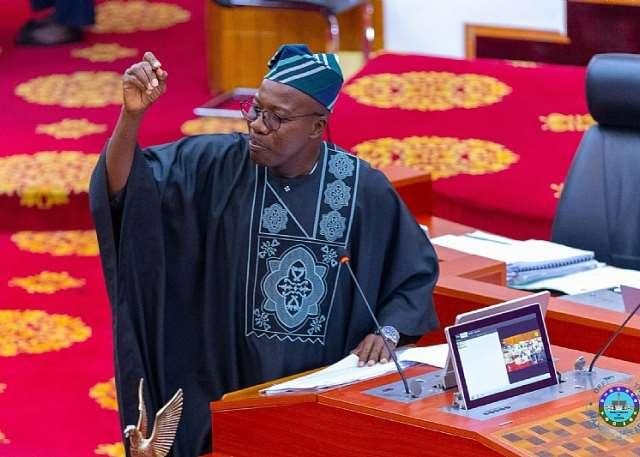
Ayariga Assures Ghanaians Tribunals will not be used to Persecute Political Opponents
Majority Leader Mahama Ayariga has dismissed concerns that Ghana's newly passed Tribunals Bill could be used as a political weapon against members of the opposition New Patriotic Party (NPP), insisting that the National Democratic Congress (NDC) understands it will not remain in government indefinitely.
<p>Speaking after Parliament approved the Tribunals Bill, 2026, Ayariga said the legislation was designed to strengthen the administration of justice rather than facilitate political persecution. He stressed that no responsible government should enact laws with the expectation of targeting its political rivals, noting that changes in political power are an inevitable feature of Ghana's democracy. </p><p>
According to him, the NDC is fully aware that it will not govern forever and therefore has no incentive to establish a legal framework that could later be abused against its own members. He maintained that the tribunals would operate independently and within the confines of the Constitution, rejecting suggestions that they would become instruments for settling political scores. </p><p>
The Majority Leader's comments came amid growing criticism from the Minority and several civil society organisations over the passage of the bill. Critics have argued that the re-establishment of regional and district tribunals could undermine judicial independence and expose citizens to politically motivated prosecutions. The Minority also boycotted the approval process, describing the legislation as unnecessary and potentially dangerous. </p><p>
Responding to those concerns, Ayariga assured stakeholders that Parliament remains open to reviewing any aspect of the law if practical implementation reveals shortcomings or constitutional concerns. He called on civil society groups and legal practitioners to monitor the operation of the tribunals and offer recommendations where improvements may be needed. </p><p>
The Tribunals Bill, 2026 establishes regional and district tribunals to hear specified categories of offences, including financial crimes, tax and customs violations, fraud and illegal mining-related cases. The legislation has sparked intense public and political debate, with supporters arguing it will speed up justice delivery while opponents continue to question its potential implications for Ghana's judicial system.</p><p>Photo credit: Modern Ghana, Mahama Ayariga.</p>
Date
Featured
Verified
Community Engagement
Community
⚔️
📝
👁
🎯
📊
✏️
Comments ()
Sign in to join the conversation
Sign InNo comments yet. Be the first to share your thoughts!
Comments will be loaded here...