
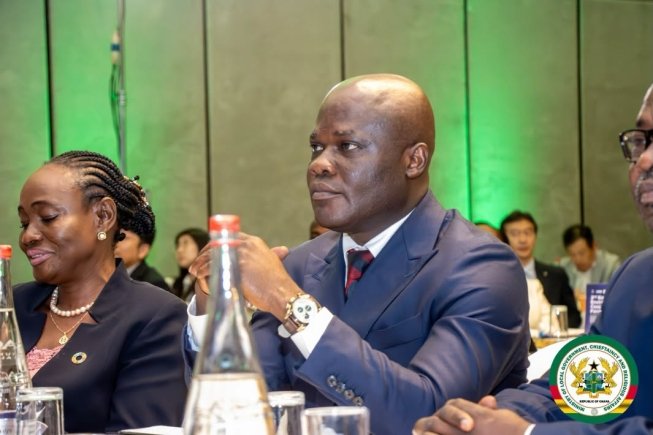
Auditor-General Raises Alarm as Assemblies Spend GH¢22.4m to Collect GH¢10.26m in Local Revenue
The Auditor-General's latest reports have uncovered a worrying trend in the finances of Metropolitan, Municipal and District Assemblies (MMDAs), revealing that several assemblies spent more on paying revenue collectors than the amount they generated from local taxes and fees.
<h1><br></h1><p>According to the audit findings, the affected assemblies spent approximately GH¢22.4 million on salaries for personnel responsible for collecting internally generated funds, yet realised only GH¢10.26 million from property rates, business operating permits, licences and other local revenue sources. The figures have sparked fresh concerns over the efficiency and sustainability of revenue mobilisation at the local government level.</p><p>The Auditor-General described the situation as economically unsustainable, noting that the cost of collecting the revenue exceeded the amount ultimately generated. Such an arrangement, the report suggests, places an unnecessary burden on public finances and undermines efforts by assemblies to improve internally generated funds.</p><p>The report attributed the poor performance to weak revenue mobilisation systems, inadequate supervision of collectors, limited enforcement of local tax laws and inefficiencies in the administration of property rates and other levies. It recommended that assemblies strengthen monitoring mechanisms, adopt more efficient digital revenue collection systems and improve accountability among revenue officers.</p><p>The findings come at a time when local authorities are under increasing pressure to generate more internal revenue to reduce their dependence on central government transfers. Experts have argued that efficient collection of property rates remains one of the most reliable sources of financing for local development projects, including roads, sanitation, schools and health facilities.</p><p>The revelations form part of broader concerns highlighted in the Auditor-General's recent reports, which also identified significant financial irregularities across several public institutions. Analysts say the latest findings reinforce the need for stronger financial management practices and greater oversight to ensure public funds are used efficiently and deliver value for taxpayers.</p><p>Photo Credit: graphiconline.</p>
Date
Featured
Verified
Community Engagement
Community
⚔️
📝
👁
🎯
📊
✏️
Comments ()
Sign in to join the conversation
Sign InNo comments yet. Be the first to share your thoughts!
Comments will be loaded here...