

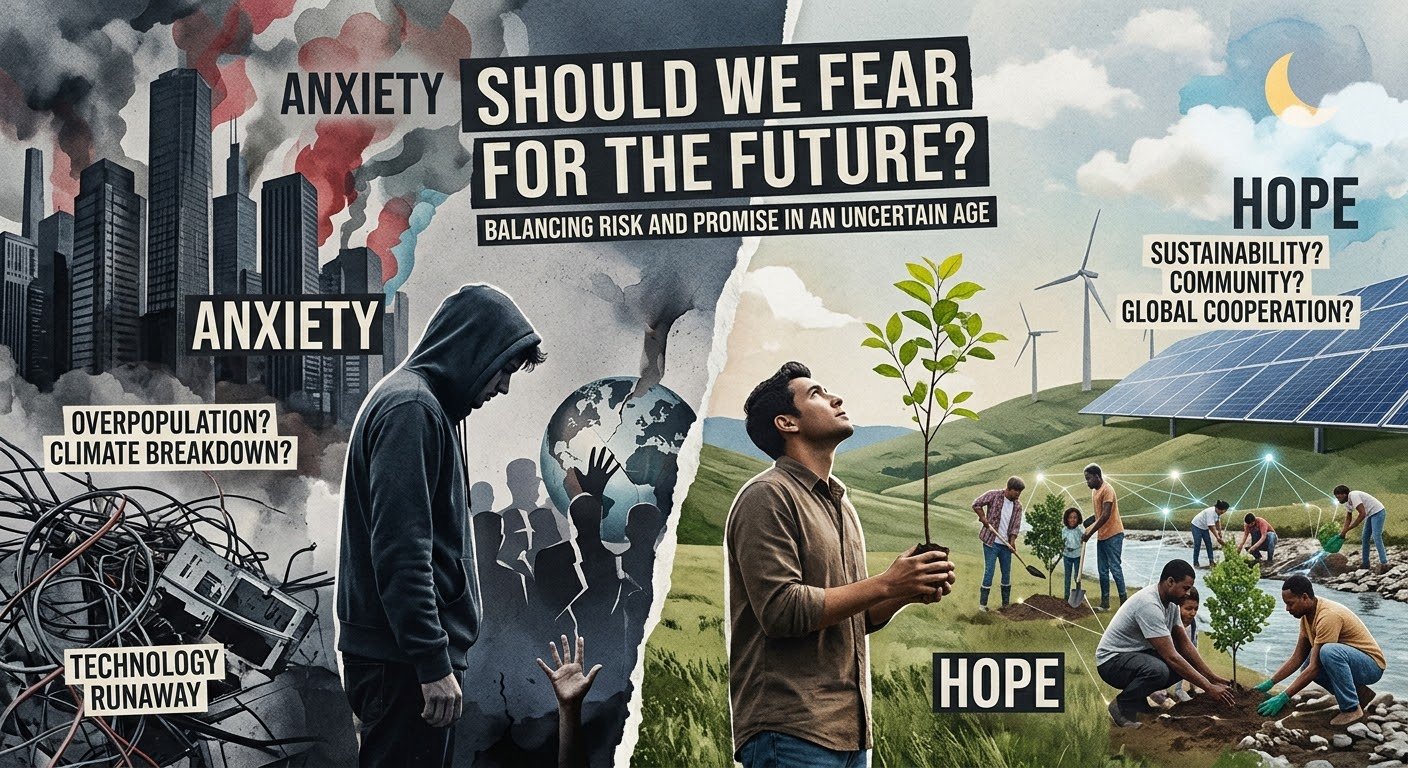
The future is coming, whether we are ready for it or not. The real question is: what kind of future are we preparing for? But should we fear for the future? Sometimes, I sit back and wonder what the future will look like. Not because I have lost hope in humanity, but because of the things happening around us. The world is changing, and while change is not always a bad thing, some of the things we are beginning to accept as normal should worry us. Look at the children growing up today. What are they watching? What are they learning? What do they admire, and what do they hope to become? These are simple questions, but the answers are not always encouraging.
Many children today are growing up in a world where social media has become their classroom, celebrities have become their role models, and attention has become a measure of success. Some are more concerned about going viral than learning a skill. Others are exposed to things they are not old enough to understand, yet somehow, we expect them to grow into responsible adults. Of course, not every child is going down this road. There are young people doing amazing things, learning, creating, and working hard to build a better future. But we cannot ignore the growing number who seem to be losing their sense of direction. And perhaps the bigger question is this: who is guiding them?
Parents are busy trying to survive. Teachers are doing their best with what they have. Society, meanwhile, keeps rewarding the loudest voices, the biggest displays of wealth, and the people who seem to have made it overnight. In such an environment, how do we expect a young person to understand the value of patience, honesty, discipline, and hard work? But the problem does not end with children. It extends to the young adults who are already trying to find their place in the world.
Think about the young man in his late twenties, approaching thirty, or already in his early thirties. He has dreams. He has plans. Perhaps he went to school, hoping that education would open doors for him. Yet, here he is, struggling to find stable work, trying to pay bills, support his family, and build a life of his own. Every day, he watches people his age appear to be making it. Some are buying cars, building houses, travelling, and living the kind of life he once imagined for himself. He knows that social media does not tell the whole story, but the pressure is still there. He begins to question himself. Am I falling behind? Have I wasted my time? Will things ever get better?
And while he is trying to keep his head above water, the world keeps telling him that a man must have money before he can be respected. Then there are young women trying to make something meaningful out of their lives. Many are ambitious, hardworking, and determined to become independent. They want good jobs, financial security, and the freedom to make their own choices. But in a society where money often seems to determine a person’s worth, the pressure can be overwhelming.
Some are forced to choose between staying true to themselves and taking shortcuts that promise quick money. Others encounter people who take advantage of their struggles, offering help with hidden intentions. When survival becomes difficult, and opportunities seem limited, making the right choice can require enormous courage. We should never blame young people for wanting a better life. There is nothing wrong with wanting money, comfort, or success. The problem begins when we create a society where people feel they must sacrifice their values, dignity, or peace of mind just to survive.
If children are growing up without proper guidance, we must ask ourselves what we are doing to guide them. If young men and women are losing hope because honest work seems to offer too little, we must ask what kind of opportunities our society is creating. If dishonesty appears to pay better than integrity, then we must question the values we are teaching and rewarding. We cannot keep complaining about the younger generation while refusing to examine the world we have created for them. They did not build this world alone. They are learning from what they see, what they hear, and what we allow them to believe is normal.
The truth is, every generation has its struggles. Our parents had theirs, and we have ours. The challenges may be different, but the responsibility remains the same: to leave the next generation with something better than what we inherited. I still believe there is hope. I believe in the young person who chooses to learn instead of showing off, the young man who keeps working despite repeated disappointments, and the young woman who refuses to trade her future for temporary comfort. I believe in parents who make time for their children and in leaders who understand that the future of a nation is more important than their personal interests.
So, should we fear for the future?Perhaps fear is not the right word. Maybe we should be concerned enough to take action. Because the future is not some distant place we will eventually arrive at. It is being shaped right now, in our homes, our schools, our churches, our communities, and in the choices we make every day. Because one day, the children we are raising today will become the adults responsible for tomorrow. The young people struggling to find their way today will become the people making decisions for the next generation. And when that day comes, will we be proud of what we prepared them for? Or will we look back and realise that we saw the warning signs, talked about them endlessly, and did nothing?
The future is coming, whether we are ready for it or not. The real question is: what kind of future are we preparing for?
Comments ()
Sign in to join the conversation
Sign InNo comments yet. Be the first to share your thoughts!
Comments will be loaded here...