
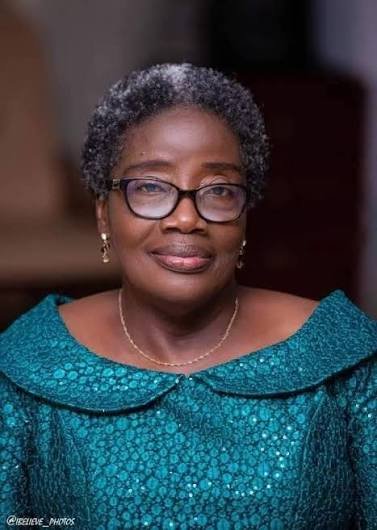
Speaking in an interview with broadcaster Kafui Dey, Mrs Amissah-Arthur said she disagreed with the expression “I lost my husband” when referring to the death of her husband, former Vice President Paa Kwesi Amissah-Arthur.
“I don’t like ‘I lost my husband.’ I didn’t lose my husband. My husband died,” she said.
She also criticised the widespread use of the phrase “the late” to describe someone who has died.
“The one I hate is, ‘the late, he’s late’. He’s late where? Where is he going that he’s late?” she asked.
Mrs Amissah-Arthur argued that the reluctance to speak directly about death has contributed to a culture in which the subject is often treated as a mystery or avoided altogether.
“You see, we don’t talk about death in this part of the world. So death is a mystery. Elsewhere, death is a common thing to talk about,” she said.
Drawing from her personal experience following the death of her husband, she explained that some families struggle to mention the names of deceased relatives or openly share memories of them.
She believes that confronting death honestly and allowing people to speak freely about their grief can support the healing process.
“We need to confront things as they are. We need to confront. And you see, it’s good for us if we do that. It helps the healing. It’s therapeutic,” she said.
Her remarks highlight the importance of creating an environment in which bereaved individuals can openly acknowledge their loss, remember loved ones and express their emotions without fear of judgment.
Mrs Amissah-Arthur’s comments have reignited conversations about cultural attitudes towards death, bereavement and the language used to describe those who have passed away.
Her central message is that speaking openly about death should not be viewed as disrespectful but as a way of acknowledging reality and making room for healing.
Photo courtesy: Matilda Amissah-Arthur.
Comments ()
Sign in to join the conversation
Sign InNo comments yet. Be the first to share your thoughts!
Comments will be loaded here...