
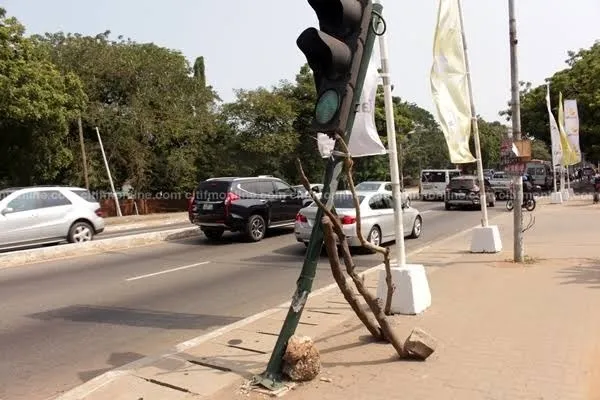
The policy think tank says the additional time is needed to address deficiencies in road infrastructure that could affect the fairness and effectiveness of the automated enforcement system.
The Executive Director of CUTS International, Appiah Kusi Adomako, raised the concerns in an interview on Thursday, October 1, 2026, arguing that authorities should not rush the rollout while several traffic lights, road markings and speed-limit signs remain defective or unclear.
TRAFFITECH-GH uses cameras, radar, sensors and other technology to detect traffic violations, including speeding and running red lights. Detected offences are reviewed before an Electronic Notice of Violation is sent to the vehicle owner.
CUTS International has identified faulty or displaced traffic lights, faded lane markings, overgrown vegetation obstructing signals and inadequate speed-limit signage as some of the issues requiring attention before enforcement begins.
Mr. Adomako called for authorities to inspect each enforcement location from the perspective of approaching drivers, including visibility during the day, at night and in rainy conditions. He also urged the installation of clear speed-limit signs before every TRAFFITECH-GH speed camera and wherever the applicable speed limit changes.
The MTTD initially scheduled full implementation for October 1, 2026, but subsequently moved the date to November 1, 2026, to allow for additional public sensitisation and education.
CUTS maintains that automated traffic enforcement can improve compliance and reduce road crashes, but says the supporting road infrastructure must first be functional, visible and properly maintained.
The organisation has therefore proposed January 2027 as the new implementation date, allowing time for the necessary repairs, signage, road markings and public education to be completed.
Comments ()
Sign in to join the conversation
Sign InNo comments yet. Be the first to share your thoughts!
Comments will be loaded here...