

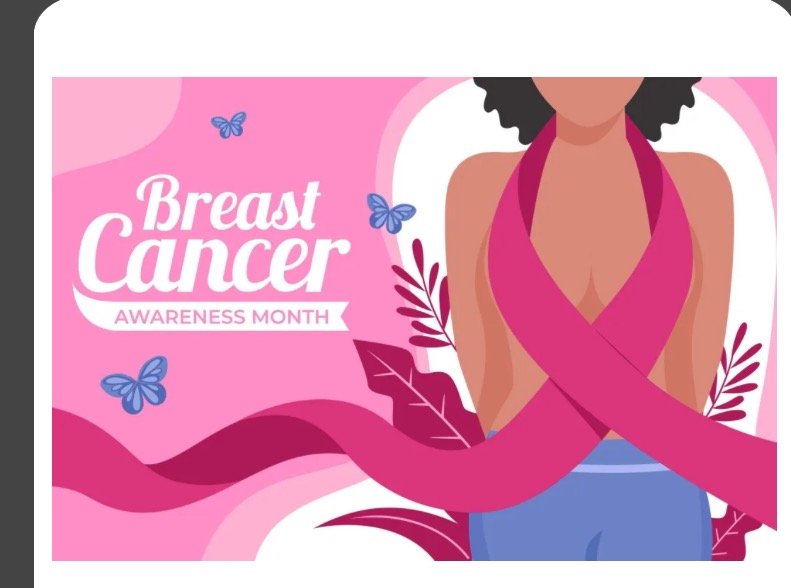
Every October, pink ribbons appear on clothing, social media pages fill with messages of hope, and health organizations intensify efforts to educate the public about breast cancer. Known as Pink October, the month serves as a reminder of the importance of breast cancer awareness, early detection, and support for those affected by the disease.
But as October draws to a close, an important question remains: What happens when the pink ribbons come down?
For thousands of women and their families, the reality of breast cancer does not end with the conclusion of an awareness campaign. The fear of diagnosis, the cost of treatment, the emotional burden, and the struggle to access healthcare can continue long after the month has passed.
Behind the awareness messages are real people whose lives have been changed by a disease that requires attention throughout the year.
Beyond the Pink Ribbon
Breast cancer remains an important public health concern worldwide. In Ghana, raising awareness is particularly important because recognising changes in the breast and seeking medical attention promptly can help people access appropriate care.
Yet awareness involves more than wearing pink or sharing educational messages online. It requires people to understand the importance of breast health, know when to seek medical advice, and have access to reliable information and appropriate healthcare services.
For some women, fear and misinformation can make conversations about breast cancer difficult. Others may worry about the financial implications of seeking medical attention or may not know where to obtain reliable information.
These challenges highlight the need for continuous education that goes beyond the activities organised during Pink October.
When Fear Delays Action
A change in the breast can be frightening, particularly for someone who does not know what it means. Some women may fear receiving a cancer diagnosis, while others may assume that a lump is harmless and delay seeking medical advice.
However, not every breast lump is cancerous, and not every case of breast cancer presents in the same way.
Health professionals encourage people to pay attention to unusual breast changes and seek medical assessment rather than attempting to diagnose themselves.
Possible warning signs include a new lump or swelling in the breast or armpit, changes in breast size or shape, changes to the skin, nipple changes, or unusual nipple discharge.
Although these symptoms can have causes other than cancer, they should not be ignored.
Early medical assessment can help determine what is happening and whether further investigations are necessary. Importantly, people should not wait for pain to develop before seeking advice about a suspicious breast change.
The challenge, therefore, is not only to provide information but also to create an environment in which people feel comfortable seeking help without shame, fear, or unnecessary stigma.
The Financial Burden Behind the Diagnosis
For individuals affected by breast cancer, the journey can extend beyond medical concerns.
Consultations, diagnostic investigations, surgery, medication, and other forms of treatment may place financial pressure on patients and their relatives. The extent of these costs depends on individual circumstances, the treatment required, and the support available.
For some households, managing healthcare expenses alongside rent, food, transportation, school fees, and other daily responsibilities can be difficult.
This makes access to affordable healthcare, accurate information about insurance coverage, and available patient-support services important parts of the breast cancer conversation.
Awareness campaigns must therefore encourage people to seek medical attention while also helping them understand where they can obtain appropriate care and information about financial assistance.
The fight against breast cancer cannot be separated from the question of whether patients can access the care they need.
The Emotional Journey of Patients and Their Families
A breast cancer diagnosis can affect more than a person’s physical health. It can also influence emotional well-being, family relationships, employment, and everyday life.
Patients may experience uncertainty about their treatment, concerns about their future, or worries about how the disease could affect their families.
Relatives and caregivers may also experience emotional and financial pressure as they support their loved ones.
For survivors, completing treatment does not necessarily mean that every challenge disappears. Some may need ongoing medical follow-up, emotional support, or assistance adjusting to life after treatment.
These experiences demonstrate why support for people affected by breast cancer must extend beyond awareness campaigns.
Families, healthcare professionals, community organizations, and support groups can all play a role in helping patients feel understood and supported throughout their journey.
Most importantly, people affected by breast cancer should be treated with dignity and compassion rather than defined solely by their diagnosis.
Why Awareness Must Continue Beyond October
Pink October provides an important opportunity to start conversations about breast cancer. However, the effectiveness of awareness efforts should not be measured only by the number of pink ribbons displayed or the number of campaigns organised.
The more important questions concern what people learn, whether they can access appropriate healthcare, and whether the information they receive influences their decisions.
Healthcare facilities, advocacy groups, employers, schools, churches, and community leaders can help maintain awareness throughout the year.
Educational activities can encourage people to understand breast health, recognize possible warning signs, seek professional advice about unusual changes, and learn about available healthcare services.
Health communicators and journalists also have a responsibility to ensure that the information shared with the public is accurate, accessible, and sensitive to the experiences of patients.
Rather than relying on frightening messages, awareness efforts should empower people with practical information and encourage them to seek care when necessary.
Continuous education can also help challenge misinformation and reduce the stigma that sometimes surrounds cancer.
A Responsibility We Share
Breast cancer awareness should not rest solely on the shoulders of patients or healthcare professionals. It is a shared responsibility that requires the involvement of individuals, families, communities, healthcare institutions, and policymakers.
Individuals can take their breast health seriously and seek professional advice when they notice unusual changes. Families can offer emotional support without judgement. Healthcare institutions can provide reliable information and guide patients towards appropriate services. Journalists can amplify patients’ experiences while holding institutions accountable for the challenges that need attention.
There is also a need to listen to the people at the centre of the conversation: patients and survivors. Their experiences can help identify gaps in healthcare delivery, reveal the practical challenges families face, and show where additional support is needed.
Their voices should not be heard only during October.
The Fight Does Not End Here
As the pink decorations are packed away and October gives way to another month, the message of breast cancer awareness must remain.
The woman who is afraid to seek medical attention still needs reassurance and reliable information. The patient undergoing treatment still needs care and support. The survivor still deserves understanding, and the family struggling to meet treatment expenses still needs guidance.
Breast cancer awareness is not simply an annual campaign. It is an ongoing commitment to education, early medical assessment, access to appropriate care, and compassion for those affected.
Perhaps the true measure of Pink October is not how much pink the world displays during the month, but how much attention, support, and action continue when October ends.
Breast cancer awareness should not be limited to October. We must continue educating, supporting, and encouraging people to seek medical care throughout the year.
Photo Credit: Truth Health Academy,School of Nursing
Comments ()
Sign in to join the conversation
Sign InNo comments yet. Be the first to share your thoughts!
Comments will be loaded here...